
Need Professional Electrical Help?
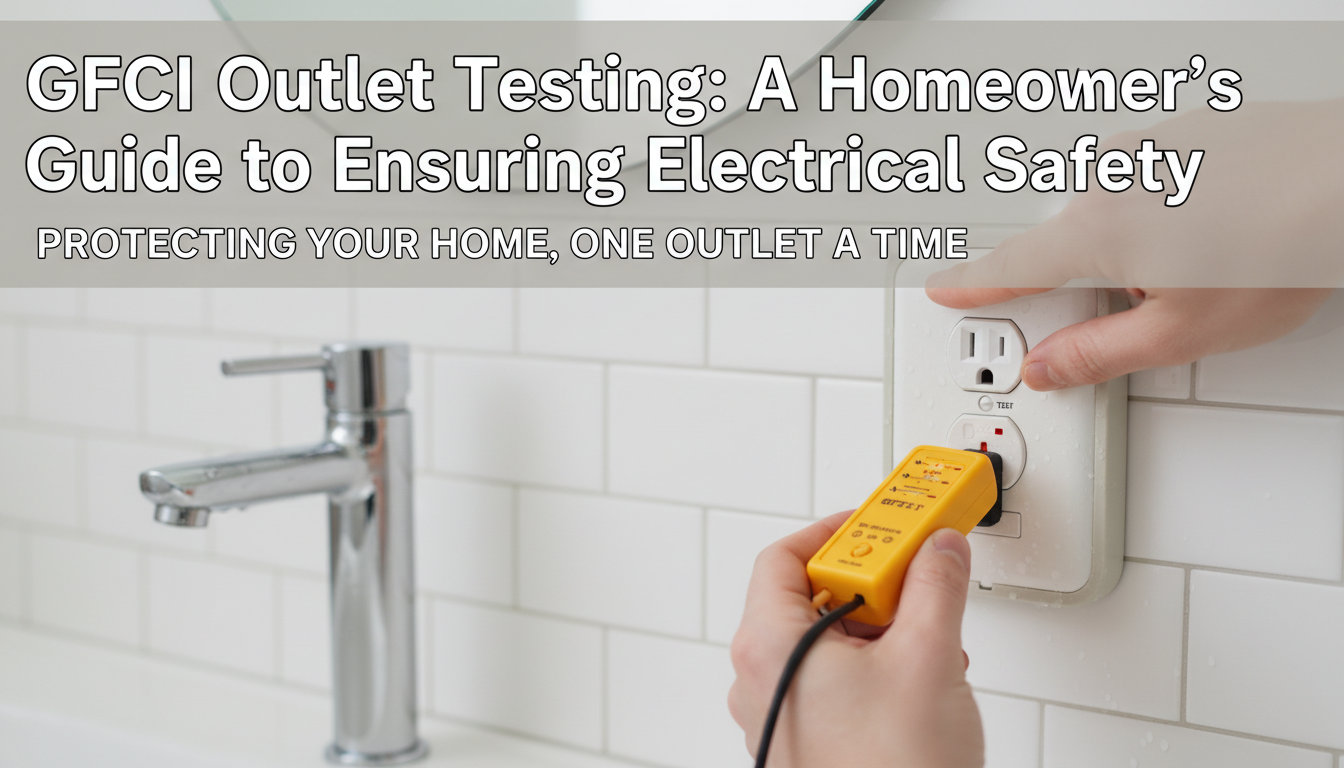
GFCI Outlet Testing: A Homeowner’s Guide to Ensuring Electrical Safety with Project and Heritage Electric
Ground Fault Circuit Interrupter (GFCI) outlets are unsung heroes in your home’s electrical system. They’re designed to protect you and your family from potentially deadly electrical shocks, especially in areas prone to moisture. But like any safety device, GFCIs need to be in good working order to do their job effectively. This guide from Project and Heritage Electric will walk you through understanding GFCI outlets, why they’re important, and how to test them to ensure your home is electrically safe.
What is a GFCI Outlet and Why Do I Need Them?
Think of a GFCI outlet as a super-sensitive circuit breaker. It constantly monitors the electrical current flowing in and out of an appliance or device. If it detects an imbalance – even a tiny leak of electricity – it instantly cuts off the power. This rapid interruption can prevent serious injury or even death from electrocution.
You’ll typically find GFCI outlets in areas where water is present, such as:
- Bathrooms: Near sinks, showers, and tubs.
- Kitchens: Countertops, especially near sinks.
- Laundry Rooms: Near washing machines and sinks.
- Garages: Anywhere tools or equipment might be used.
- Outdoors: All exterior outlets should be GFCI protected.
- Unfinished Basements: Due to potential moisture.
Local building codes often require GFCI outlets in these areas for new construction and renovations.
Understanding the Difference: GFCI vs. Standard Outlets
While they look similar, GFCI outlets have a distinct difference: they have “TEST” and “RESET” buttons right on the outlet face. Standard outlets do not. This is your visual cue that you’re looking at a GFCI outlet.
Furthermore, GFCI outlets can protect other standard outlets “downstream” on the same circuit. This means that a GFCI outlet in your bathroom might protect a standard outlet in the adjoining hallway. This is why regular testing is crucial, even for outlets that look standard.
How to Test Your GFCI Outlets: A Step-by-Step Guide
Testing your GFCI outlets is a simple process that can be done in a matter of minutes. It’s recommended to test them at least once a month to ensure they’re functioning correctly. Here’s how:
- Locate the GFCI Outlet: Find the outlet you want to test.
- Press the “TEST” Button: Press the “TEST” button on the GFCI outlet. If the outlet is working correctly, the “RESET” button should pop out, and the power to the outlet should be cut off. You can confirm the power is off by plugging in a lamp or a GFCI outlet tester into the outlet.
- Press the “RESET” Button: If the “RESET” button popped out after pressing “TEST,” press the “RESET” button back in. The power to the outlet should now be restored. If the reset button doesn’t pop out, move onto the troubleshooting steps below.
Troubleshooting: What to Do if Your GFCI Outlet Fails the Test
If your GFCI outlet doesn’t pass the test, meaning the “RESET” button doesn’t pop out when you press the “TEST” button, or it immediately trips again after you reset it, there are a few things you can try:
- Try Resetting Again: Sometimes, a GFCI outlet needs to be reset more than once. Press the “RESET” button firmly.
- Check for Tripped Circuit Breakers: Go to your electrical panel and check for a tripped circuit breaker that controls the GFCI outlet. If you find one, reset it and try testing the GFCI outlet again.
- Unplug Appliances: There might be a faulty appliance plugged into the circuit that’s causing the GFCI outlet to trip. Unplug all appliances connected to the circuit and try resetting the GFCI outlet. If it resets and stays on, plug in each appliance one at a time until you identify the faulty one.
- Test other outlets on the circuit: Try plugging a lamp into other outlets on the circuit and see if you can reset the outlet.
When to Call Project and Heritage Electric: Knowing When to Seek Professional Help
If you’ve tried the troubleshooting steps above and your GFCI outlet still isn’t working correctly, it’s time to call a qualified electrician like Project and Heritage Electric. This indicates a potential problem with the outlet itself or the wiring behind it. Ignoring a faulty GFCI outlet could put you and your family at risk.
Here are some situations where professional electrical assistance is required:
- The GFCI outlet won’t reset after pressing the “RESET” button.
- The GFCI outlet trips immediately after being reset.
- You smell burning plastic or see any signs of damage on the outlet.
- You are uncomfortable working with electrical wiring.
Regular Testing is Key to Electrical Safety
Testing your GFCI outlets regularly is a simple yet crucial step in ensuring the electrical safety of your home. By understanding how these devices work and knowing how to test them, you can proactively protect yourself and your loved ones from potential electrical hazards. Don’t hesitate to contact Project and Heritage Electric if you encounter any issues or have concerns about your home’s electrical system. Your safety is our priority.